Written pricing
A fixed-price quote after an on-site assessment.
We grade the base, compact the granular, and lay hot-mix asphalt to a proper cross-fall — so water runs off instead of freezing inside your surface.
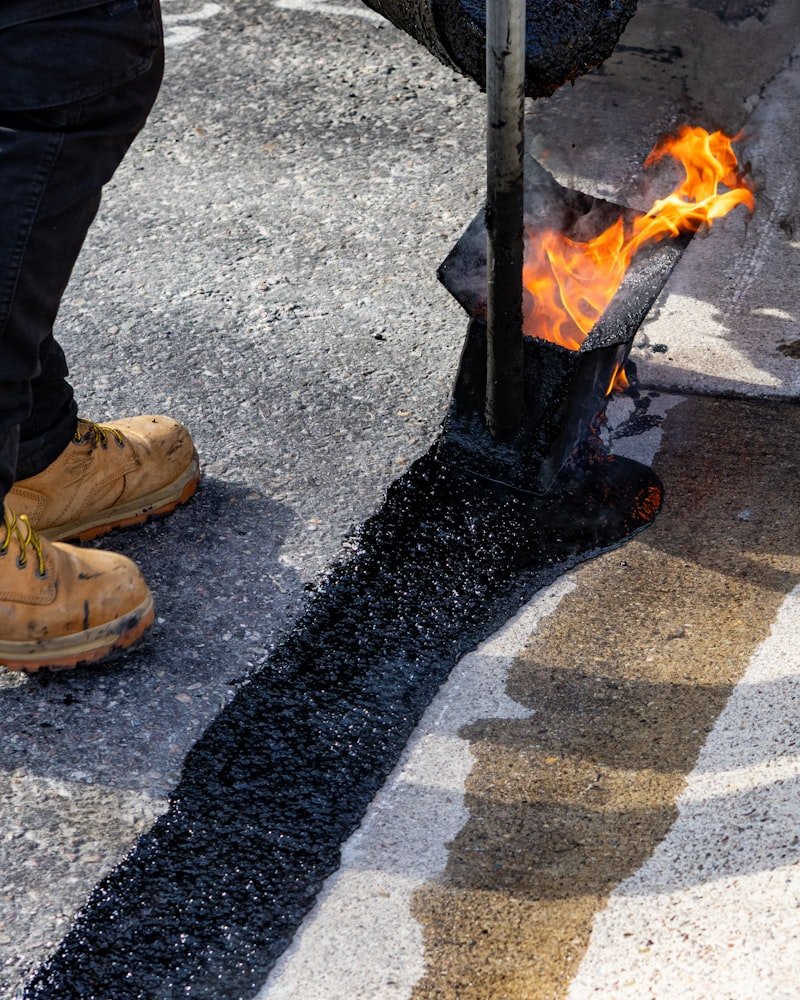 Fig. 01 — Hot-mix, laid right
A fixed-price quote after an on-site assessment.
Granular compaction and cross-fall on every job.
Right-of-way paperwork when work touches City property.
Issued on completion, documentation on request.
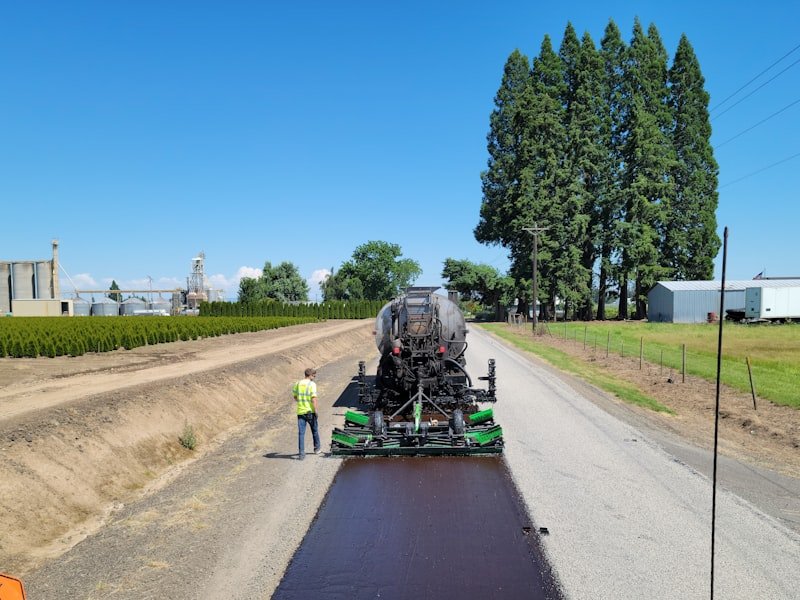
A driveway is not a decorative surface poured on top of the ground — it is a small piece of pavement engineering that has to shed water, carry vehicle loads, and hold its shape through more than a hundred freeze-thaw swings every Toronto winter.
Get the base wrong and no amount of surface asphalt will save it. Get the base right and a residential driveway can hold up for roughly fifteen to twenty years with routine sealing and crack maintenance. That focus matters more than it sounds.
We bring years of hands-on paving experience across Toronto and the surrounding region — the old, narrow lots of the pre-amalgamation city where a full-size paver simply cannot fit, the heavy clay pockets north and west of the core that heave and settle with the seasons, and the commercial lots that have to carry delivery trucks and customer traffic without rutting. Knowing how a job will actually behave on your street is the difference between a surface that looks good on handover day and one that still looks good after its fifth winter.
Everything we commit to is something we control on every job: how we prepare the ground, how we compact the granular, how we set the slope, and how we document the work. We do not lean on slogans. We lean on method — and we put that method in writing before any asphalt is ordered. Our work covers new residential driveways, full-depth replacement, resurfacing and overlays where the base is still sound, commercial and multi-unit parking lots, private laneways and mutual driveways, extensions and widenings where City rules permit them, and repair work — crack routing and sealing, pothole patching, and sealcoating to slow weathering. Where a project touches the municipal boulevard or requires a curb depression, we prepare the drawings and manage the right-of-way permit process end to end.
Each one is true on every project — not a claim that needs a footnote.
We are not a general landscaping outfit that paves on the side. Specialization means our crews set up, grade, and compact paving day after day — the repetition is where quality comes from. A specialist crew reads a site faster, spots drainage problems before they are paved over, and finishes joints and edges cleanly.
The single biggest cause of premature driveway failure in the GTA is a compromised base — not thin asphalt. Base preparation and granular typically drive a large share of a paving project's cost, and skipping it is where cheap quotes come from. We excavate to the required depth, place and compact granular in controlled lifts, and only then lay hot-mix asphalt — compacted to full density before any surface course goes down is the standard we work to.
Water is the enemy here. Asphalt is porous, and trapped water freezing expands by roughly nine percent, prying the surface apart from within. We build for well over a hundred freeze-thaw cycles a winter with proper cross-fall, sound drainage detailing, and correct compaction.
Base depth, granular compaction, lift thickness, and finished slope are the checkpoints that decide whether a driveway lasts. We follow the same documented sequence on every job and keep that documentation available on request. If you want to know exactly how your surface was built, you can.
If your project widens a driveway, adds a front-yard parking pad, or requires a curb cut onto the City boulevard, that work triggers Toronto's right-of-way process — and street-work permits are only issued to contractors. We prepare the metric-scale drawings and manage the application.
You receive a written, fixed-price quote after we assess the site — not a vague per-foot number over the phone. On completion you receive a written workmanship warranty. Indicative pricing online is a starting point; your price is the written quote, and it is what we stand behind.
Every range is indicative and benchmarked against published 2026 Toronto-market pricing. Your actual price is the written, fixed-price quote after an on-site assessment. Ranges assume normal access and sound sub-grade.
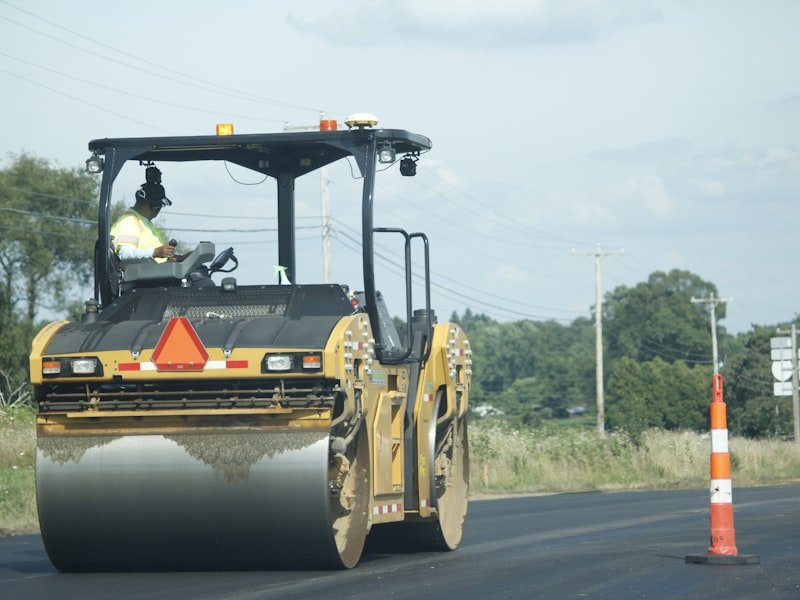
Full installation on a prepared base: excavation, graded and compacted granular, and hot-mix asphalt laid to proper cross-fall. Most Toronto and GTA driveway installations fall in the range of roughly $5 to $12 per square foot depending on access, base condition, and thickness. A standard single-car driveway of about 300 square feet commonly lands around $1,800 to $3,600, while a typical two-car driveway runs into the low-to-mid four figures.
~$5–$12 / sq ft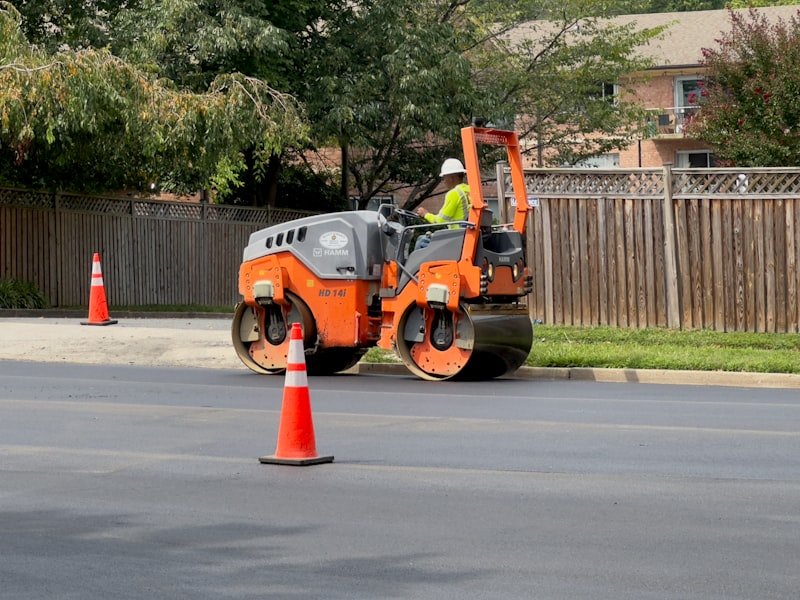
When the existing base has failed — alligator cracking across the surface, persistent potholes, standing water — an overlay only buys a season or two. Full-depth replacement removes the old asphalt and base, rebuilds the granular, and repaves. Removal and disposal of existing asphalt typically adds in the range of $1.50 to $4.00 per square foot and is usually built into the replacement quote.
Removal ~$1.50–$4.00 / sq ft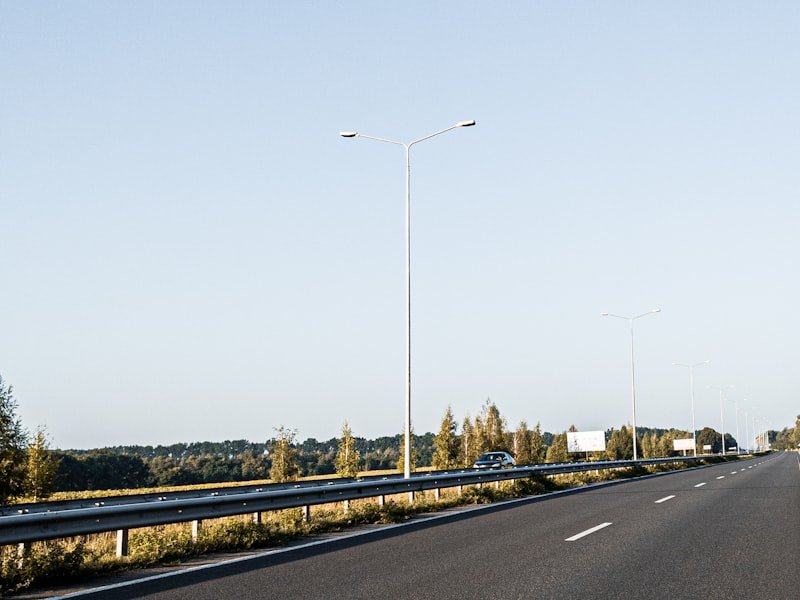
Where the base is still structurally sound and the surface is simply worn, a new asphalt surface course can be laid over the existing pavement. This costs less than full replacement but is only appropriate when the underlying base is genuinely solid — we assess that honestly, because an overlay on a failing base is money wasted.
Below full-replacement cost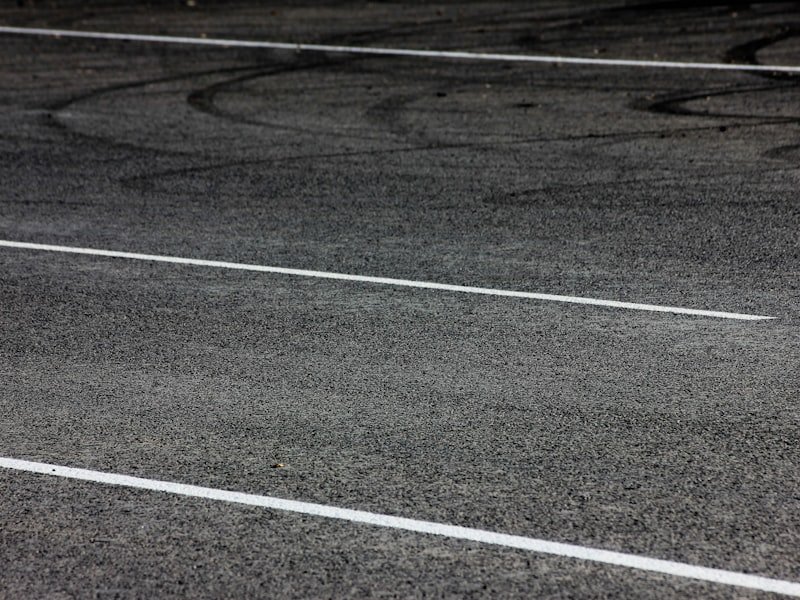
Parking lots carry heavier and more frequent loads than a residential driveway, so they need thicker asphalt and a stronger base build-up. We handle grading for drainage, catch-basin tie-ins, line painting coordination, and phased work to keep a business operating during paving. Pricing is quoted per project after assessment because lot geometry, traffic loading, and drainage vary widely.
Quoted per project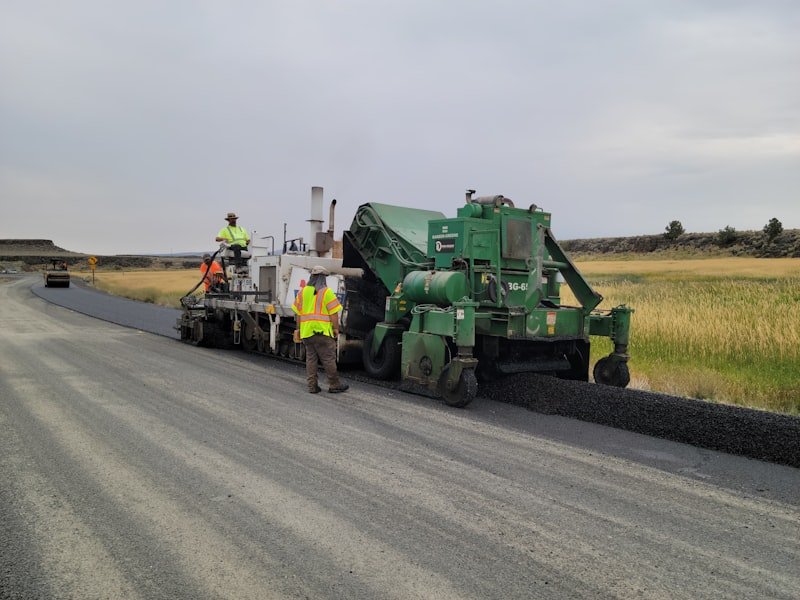
Localized failures — potholes, sunken sections, edge break-up — repaired with proper saw-cut edges, base correction where needed, and hot-mix patching compacted flush. Done early, patching stops a small failure from spreading into a full replacement.
Quoted per project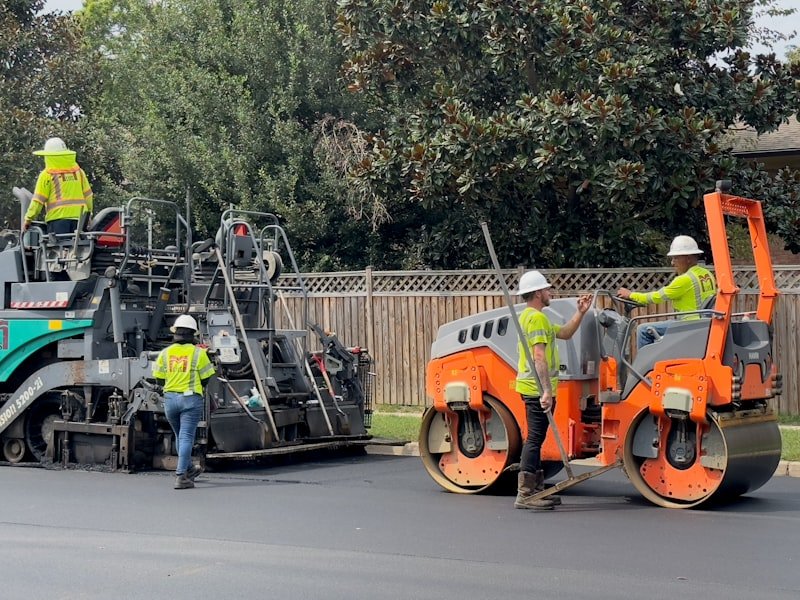
Cracks are how water gets into your base. We rout and seal working cracks with hot-applied crack filler before winter so the freeze-thaw cycle cannot widen them. This is the single most cost-effective maintenance step for extending a driveway's life.
Quoted per project
A sealcoat protects the asphalt surface from UV, oxidation, and water intrusion and restores a clean black finish. Published Canadian 2026 sealcoating pricing runs roughly $0.15 to $0.35 per square foot; a typical residential driveway commonly falls somewhere in the low hundreds of dollars. Sealcoating is maintenance, not a repair — it protects sound asphalt and does not fix structural failure. Applied every few years, it meaningfully slows weathering.
~$0.15–$0.35 / sq ft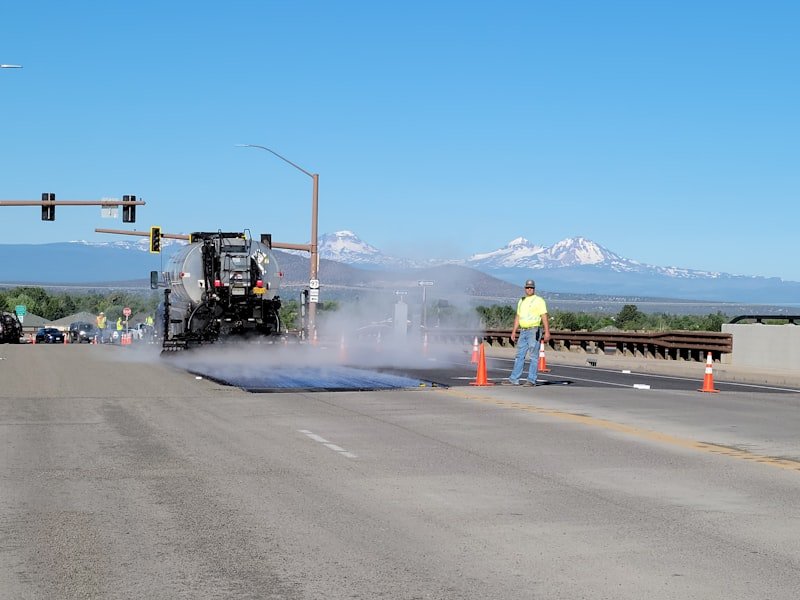
Extensions and front-yard pads where your ward and lot permit them. We confirm what the City actually allows before paving, prepare the drawings, and manage the right-of-way permit for any compliant widening.
Quoted per projectRanges below describe the market, based on published 2026 Toronto pricing — not a fixed offer. Toronto and GTA rates tend to run above the broader Ontario average, and narrow-lot access in older areas can push labour higher.
A full installation — excavation, graded and compacted granular base, and hot-mix asphalt laid to a proper cross-fall. A standard single-car driveway of about 300 square feet commonly lands around $1,800 to $3,600; a typical two-car driveway runs into the low-to-mid four figures. What moves the number: existing base condition, excavation and disposal, asphalt thickness, drainage, and access.
Indicative ranges are based on published 2026 Toronto-market pricing and describe the market, not this business. Square footage, base condition, excavation and disposal, asphalt thickness, drainage, and access all move the number — narrow older lots that require walk-behind equipment commonly add to labour, and curved or multi-angle layouts add finishing time. The written, fixed-price quote provided after an on-site assessment accounts for all of these on your specific site. That quote, not the ranges above, is your price.
Full disclosure — what these ranges exclude: municipal permits and right-of-way securities, charged at cost; engineering or drawings where required, charged at cost; HST; and unforeseen conditions found during excavation, such as buried debris, soft sub-grade, or drainage problems that must be corrected before paving. Indicative pricing is not an offer to contract.
Each one tied to a real local condition — climate, housing stock, or City regulation.
Water seeps into cracks, freezes, expands, and levers the surface apart — a small crack becomes a network, then a pothole. The fix is stopping water getting in: rout and seal early, patch properly, and make sure the surface drains. Where the base is saturated and moving, full-depth work is the honest answer.
Water pooling means the cross-fall is wrong or the surface has settled. Trapped water is the number-one accelerant of pavement failure in our climate. We regrade to positive slope away from the house and, on larger sites, tie into catch basins so water leaves the surface instead of soaking the base.
Toronto's older neighbourhoods have narrow lots, roughly 25 to 30 feet wide on many streets, that block full-size paving machines. Some contractors respond by cutting the base preparation to save labour. Within a few winters the result is alligator cracking and settlement. We rebuild these properly using the right equipment for the access, so the base is not the sacrifice made for a low quote.
Heavy clay soils common through parts of the GTA expand when wet and contract when dry, moving the ground under a driveway seasonally. Without a properly built and drained granular base, that movement telegraphs straight through as cracks. The remedy is base engineering matched to the soil, not a thicker top layer.
Lots built to residential thickness rut under truck and repeated car loading, and low spots collect water and ice that become liability and drainage headaches. We rebuild lots to carry their real loads, with proper thickness, base, and drainage so the surface stays flat and safe.
Owners sometimes discover a widening or front-yard pad was never authorized — a problem when it touches City boulevard or exceeds landscaping limits, and a risk at resale. We assess what your lot and ward permit before paving and manage the right-of-way process where a compliant widening is possible.
Use this to judge any paving quote you receive — ours included. Good work is not mysterious; it comes down to base, drainage, materials, and documentation.
A contractor who answers these clearly and puts the answers in writing is worth hiring. We're happy to answer every one at your assessment.
Six steps, each with a commitment we control — so you always know what happens next.
Call or use the contact form and we'll arrange a visit to measure the area, check the sub-grade and drainage, and understand how you use the surface.
You receive a written, fixed-price quote after the assessment, spelling out scope, base build-up, asphalt thickness, and what is and isn't included. No surprises later.
If your project touches the City boulevard, needs a curb cut, or widens a driveway, we prepare the metric-scale drawings and manage the right-of-way permit before we start.
We excavate to depth, place and compact granular base in controlled lifts, and set the grade and cross-fall. This is where a driveway's lifespan is really decided.
Hot-mix asphalt is delivered and laid hot, then compacted with rollers to proper density, with edges and joints finished cleanly.
We walk the finished surface with you, hand over your written workmanship warranty, and provide guidance on cure time and sealing. Documentation available on request.
New asphalt keeps curing for weeks after paving. We'll tell you how long to wait before driving on it and how to protect it through its first, most vulnerable, season.
Neighbourhoods and communities we regularly serve include:
Not sure if you're in our area? Call (613) 324-9141 with your address — if we can pave it, we'll book your assessment.
Paving in Toronto means working within real City rules and real ground conditions. Here's what actually governs a driveway or lot project in this city.
Resurfacing within the same footprint generally does not require a permit. But widening the driveway, adding a front-yard parking pad, relocating it, or a curb cut onto the road touches the municipal right-of-way and requires a City street-work permit. Toronto issues those only to contractors, and requires metric-scale drawings. The City also holds financial securities to ensure the boulevard is restored — returned once staff confirm the work was built as approved.
Toronto strictly limits front-yard parking. Widening a private driveway to add parking on the City right-of-way or front-yard portion is generally not allowed; narrow exceptions exist, for example where a driveway leads to the backyard and the gap between houses at the narrowest point is under 2.2 metres. Many wards and former municipalities have moratoriums on new licences entirely.
City rules cap how much of a front yard can be hard-surfaced. On smaller lots a minimum share of the boulevard and front yard must stay as landscaped open space, and a large proportion of that must be soft landscaping — grass, soil-planted shrubs, gardens — rather than pavement. These limits protect street trees and divert rainfall from the sewer system, and they shape how wide a compliant driveway can legally be.
Toronto protects boulevard and larger private trees. Paving near a City tree must comply with the Municipal Code and the City's specifications for construction near trees, and work that could injure a protected tree may require a tree-protection permit and defined protection zones. We plan the work around these requirements rather than discovering them mid-project.
Ontario paving works to the Ontario Provincial Standard Specifications (OPSS). Residential driveways typically use a hot-mix asphalt with smaller aggregate suited to a roughly two-inch surface application, laid on compacted granular base; commercial surfaces use heavier mixes and thicker build-ups. OPSS also governs how driveways and irregular sections are paved by hand where a machine can't reach, and calls for granular base compacted to full density before the surface course goes down.
Toronto's freeze-thaw climate is the defining engineering challenge for local asphalt — porous asphalt lets water in, and freezing water expands and breaks it apart. That's why base, drainage, and compaction matter so much here. It also shapes timing: paving season runs through the warmer months, and booking early — late winter or early spring for a late-spring or summer install — helps avoid the peak-season rush. Fresh asphalt needs warm-weather cure time.
General-attribution feedback from homeowners and property managers we've worked with.
They actually dug out the old base instead of paving over it like the cheaper quote wanted to. Third winter now and the driveway is still dead flat — no cracks, no puddles.— Homeowner, Leaside
The written quote matched the final invoice to the dollar. As a property manager that's all I want — no mid-job surprises.— Property Manager, North York
Our lot was a patchwork of potholes. They rebuilt it in phases so we never had to close, and the drainage problem we'd had for years is finally gone.— Local Business Owner, Scarborough
Narrow old Riverdale lot, and they still got proper base compaction in with the right equipment. Explained every step and put it in writing.— Homeowner, Riverdale
They handled the City boulevard permit for our curb cut, which I had no idea how to even start. Made the whole widening painless.— Homeowner, The Junction
Crack sealing and a sealcoat before winter, exactly as they recommended. Bought us years on a driveway I thought needed replacing.— Homeowner, The Beaches
Honest assessment — they told us an overlay would work because our base was still sound, instead of upselling a full tear-out. Saved us real money.— Homeowner, Etobicoke
Whether it's a single-car driveway on a narrow downtown lot, a full replacement, or a commercial lot that needs to carry real traffic — the path is the same: an on-site assessment, a written fixed-price quote, and paving built from the base up to survive Toronto winters.
Call (613) 324-9141No cost, no obligation. We measure, check drainage, and understand how you'll use the surface.
A fixed-price quote spelling out scope, base build-up, and thickness — backed by a written warranty on completion.
Across the City of Toronto and the surrounding GTA.
Your address, the approximate size of the area, and what you're after — new, replacement, repair, or a commercial lot.